
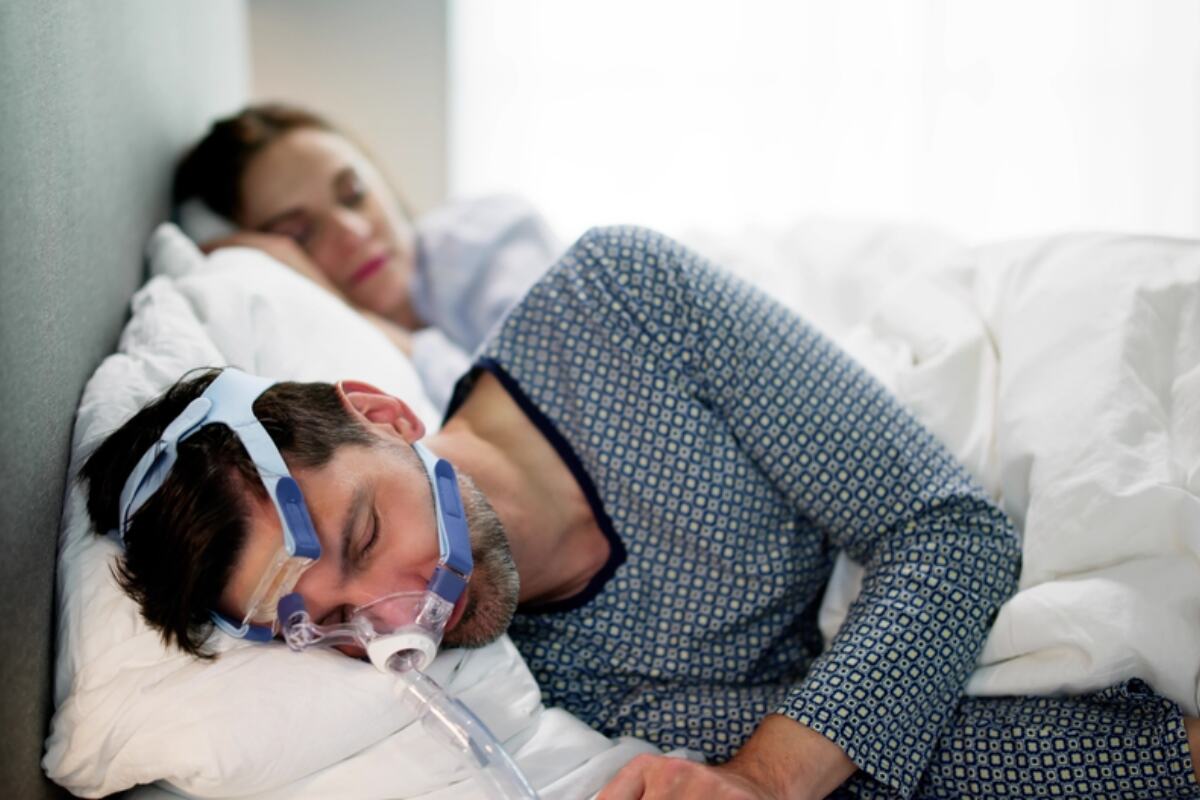
You wake up with a dry mouth, sore jaw, or constant fatigue, yet you don’t recall tossing or turning. For some reason, you might struggle with sleep, and the tiredness would spill into your day. It feels frustrating when your body seems tired and you are not able to figure out the reason.
What if your mouth is trying to tell you something? Sleep apnea not only affects how breathing takes place at nighttime, but it can also impact your oral health, often quietly. If you ignore this, then it can be a big problem in the long run.
Understanding how sleep apnea treatment in Sylvan Lake works can help restore both your sleep and your smile before damage becomes permanent.
What Is Sleep Apnea?
Sleep apnea is a disorder characterized by repeated stops and starts in breathing during sleep. Obstructive sleep apnea (OSA) is a disorder in which the muscles in the throat relax too much and block the airway. OSA is also associated with loud snoring, choking, and prolonged pauses in breathing and can go undiagnosed for years.
But this condition doesn’t just rob you of sleep. It silently affects different areas of your body, including your mouth.
What Dental Signs Indicate Sleep Apnea?
Your dentist might be the first to spot signs of sleep apnea. Common dental indicators include:
- Worn or flat teeth caused by nighttime grinding
- A scalloped or indented tongue
- Dry mouth from mouth-breathing
- Red or inflamed gums
- Increased cavities or tooth sensitivity
These symptoms often show up long before an official diagnosis. Knowing what dental signs indicate sleep apnea can help you take action sooner.
If these warning signs are present, your dentist may refer you for a sleep study or recommend oral appliance therapy.
How Does Sleep Apnea Affect Oral Hygiene?
The connection between poor sleep and oral health goes deeper. Interrupted breathing often leads to open-mouth breathing, which dries out the saliva.
Saliva plays a key role in washing away food particles and neutralizing acids, without which bacteria build up faster, increasing the risk of cavities, plaque, and gum disease, which brings us to a critical concern: sleep apnea effects on oral hygiene are not minor.
Persistent dryness, bad breath, and inflammation can all result from untreated apnea. Over time, this can lead to more severe dental conditions and even tooth loss.
Why Should Your Dentist Know About Your Sleep Issues?
A dentist in Sylvan Lake is trained to recognize patterns in your mouth that may relate to sleep disorders. If you grind your teeth or have a misaligned jaw, these may not just be mechanical problems; they could be symptoms of interrupted sleep.
By including sleep-related questions in your dental checkup, your dentist gains a clearer picture of your overall health. If there’s reason to suspect apnea, they can guide you to the next step in diagnosis or treatment.
What’s the Connection Between Apnea and Dental Health?
The connection between the two is significant as sleep apnea impact on dental health. Without treatment, sleep apnea can lead to:
- Accelerated enamel wear
- Jaw pain or temporomandibular joint (TMJ) issues
- Periodontal disease is due to inflammation and bacterial buildup
- A higher risk of oral infections
- Delayed healing after dental procedures
Over time, these issues may escalate into permanent damage, making sleep apnea not just a medical problem but a serious dental concern as well.
Where Do You Start If You Suspect Sleep Apnea?
Your first step is to discuss your symptoms with a dentist near you. If dental signs align with other indicators like snoring or fatigue, your dentist may recommend a sleep study. Depending on the results, they might suggest treatments such as CPAP therapy or a custom-fitted oral appliance.
Oral appliances work by repositioning your jaw to keep the airway open while you sleep. They’re compact, quiet, and often easier to tolerate than CPAP machines. For many patients, these devices offer relief from symptoms while also protecting their oral health.
Final Thoughts!
Ignoring the symptoms of sleep apnea doesn’t just risk your nightly rest—it can slowly damage your teeth, gums, and jaw without you realizing it. The mouth often holds the earliest clues, but they’re easy to overlook until the damage is done.
Don’t Let Silent Signs Turn Severe
Protect your health and smile by acting early. If your dental checkups keep revealing the same red flags, it’s time to look deeper; your body might be calling for help through your teeth.