
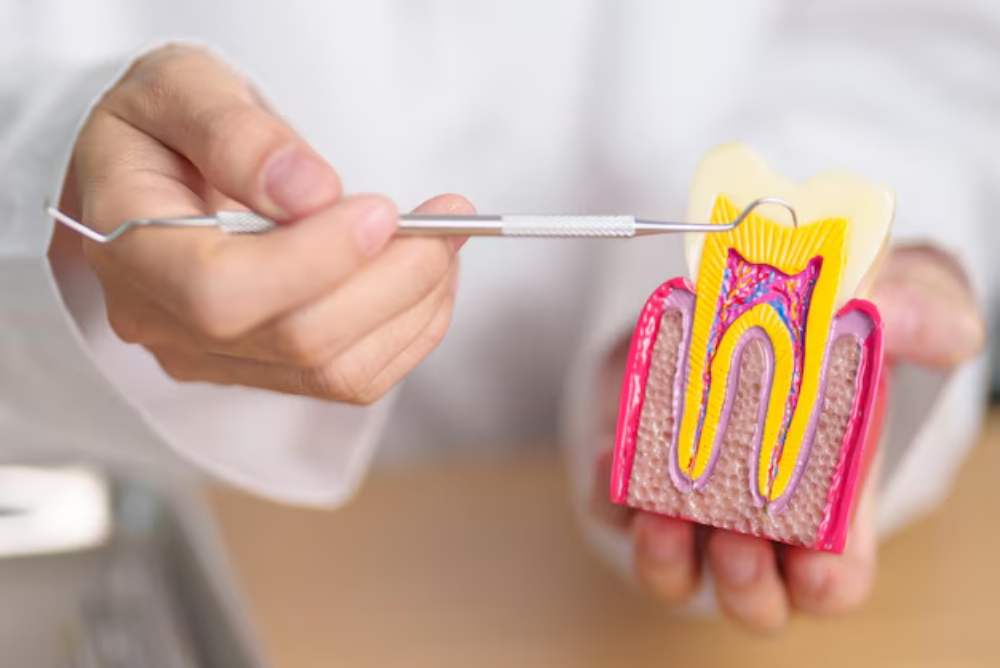
Have you ever asked yourself, do you need a crown after a root canal? Many patients wonder if the procedure alone is enough to save their tooth. While a root canal removes infection and pain, it also leaves the tooth fragile. Dentists often recommend a crown to protect the treated tooth, restore its function, and make it last for many years.
How a Tooth Changes After a Root Canal
A root canal involves cleaning out the infected pulp inside the tooth. This stops pain and prevents the infection from spreading. However, it also removes the soft tissue that makes a tooth strong and flexible. Without this natural support, the tooth becomes brittle and more prone to cracks or fractures.
This is where a crown comes in. If you’re searching for root canal therapy near you, your dentist can explain why adding a crown is not just cosmetic; it’s essential for protecting your natural tooth. Crowns cover the entire surface of the tooth, acting like a shield against daily chewing forces and potential damage.
Why Crowns Are Needed After a Root Canal
So, why do dentists push for crowns after root canals? The answer is simple: protection and longevity. Here’s why crowns are so important:
- Prevent Breakage: Teeth that have had a root canal can fracture easily. A crown strengthens the tooth structure.
- Seal Against Bacteria: A crown prevents bacteria from entering the treated tooth and causing reinfection.
- Restore Chewing Function: Crowns help the tooth handle normal biting and chewing without pain.
- Maintain Appearance: A crown restores the natural look of the tooth, which is important for your smile.
In short, crowns are an investment in your oral health. Without them, even a successfully treated tooth can fail over time.
Do You Always Need a Crown?
Not every tooth treated with a root canal automatically needs a crown. Front teeth that experience less pressure may sometimes be restored with a filling. Back teeth, like molars and premolars, handle much more chewing force, making crowns highly recommended.
A dentist in Sylvan Lake can check your tooth and decide the best course. Factors they consider include:
- How much of the original tooth remains
- The location of the tooth in your mouth
- How much pressure the tooth will bear while chewing
- Your overall oral health and habits
Choosing a crown isn’t just about strength; it’s also about preventing future problems that could require more invasive treatments.
Types of Crowns You Can Get
There are different types of crowns depending on your needs and budget. Here’s a simple breakdown:
- Porcelain Crowns: These look very natural and are ideal for front teeth. They blend in with your smile.
- Ceramic Crowns: Strong and natural-looking, good for visible teeth.
- Metal Crowns (Gold or Alloy): Extremely durable, best for back teeth that handle heavy chewing.
- Porcelain-Fused-to-Metal Crowns: Combines strength with a natural appearance.
Your dentist near you will help you pick the type that best suits your tooth and lifestyle.
How Crowns Protect Your Tooth
After a root canal, your tooth is no longer supported by its pulp. Crowns protect it from the everyday forces of chewing and grinding. They act like a helmet, keeping the tooth safe from cracks and decay.
- Strength: Crowns reinforce the tooth structure and make it durable.
- Protection: Seals the tooth, preventing bacteria from entering.
- Appearance: Restores the tooth to its original shape and colour, maintaining your natural smile.
In short, a crown ensures that the tooth you saved with a root canal stays healthy and functional for years.
What to Expect During Crown Placement
Getting a crown is a straightforward process and usually takes two visits:
- Preparation: The dentist shapes your tooth, removes a little bit to make space for the crown, and takes a mould so the crown fits perfectly. A temporary crown may be put on while you wait for the permanent one.
- Final Placement: The permanent crown is placed, adjusted, and attached to your tooth. It should feel natural and comfortable, letting you chew and talk normally.
Most patients experience little to no discomfort, and the procedure is designed to save your natural tooth for the long term.
Protect Your Tooth Today – Book Your Appointment!
Why do you need a crown after a root canal? Crowns after root canal therapy are important to keep your tooth strong, healthy, and working properly. They help you eat, speak, and smile without worry. At Sylvan Lake Dental Centre, a caring team provides gentle, personalised care every step of the way. Schedule your visit today to protect your smile!
FAQs
Can I skip the crown after a root canal?
While skipping a crown is possible, it increases the risk of your tooth breaking or getting reinfected. Dentists strongly recommend a crown to protect your tooth.
How long will my crown last?
If you take good care of it, a crown can last 10–15 years or more. Brushing, flossing, and regular dental check-ups help keep it strong.
Will my crown look natural?
Yes. Modern crowns are designed to match the shape and colour of your surrounding teeth. Porcelain and ceramic options blend seamlessly.
Is getting a crown painful?
No. Local anaesthesia ensures that the process is mostly painless. Some mild sensitivity may occur for a few days, but it usually resolves quickly.