
Repeated cavities can happen for several reasons, even when a child brushes regularly. One factor a dental professional may consider is dry mouth. Breathing through the mouth, especially during sleep, can contribute to dryness for some children; it does not by itself prove why cavities are forming.
Saliva helps wash away food and neutralize acids. If you are looking into Dental Sealants in Sylvan Lake, your child’s dentist can explain whether sealants suit the teeth at risk and what other prevention steps may help.
How might mouth breathing relate to cavities?
Saliva supports the mouth in several ways, including clearing food debris and helping buffer acids. A dry mouth may reduce these protective effects. Mouth breathing can be associated with dryness, but cavities are usually influenced by multiple factors, such as diet, fluoride exposure, brushing and flossing, enamel, and individual oral health.
There is no reliable one-size-fits-all timeline for cavities to develop. A dental exam is the right way to check for early decay and talk through possible causes.
What can cause a child to breathe through their mouth?
Children may breathe through their mouth for different reasons, including nasal congestion or other airway concerns. Allergies, enlarged tonsils or adenoids, sleep issues, and habits may be among the possibilities, but a dentist cannot diagnose every cause from a dental visit alone.
If your child regularly snores, has trouble breathing through the nose, or seems tired during the day, discuss your observations with their paediatrician or another appropriate health professional. Do not start medication or try to change a child’s breathing pattern without professional guidance.
What signs should parents notice?
Possible signs include waking with a dry mouth, cracked lips, morning breath, open-mouth sleeping, or snoring. These signs can have other explanations and do not confirm a specific condition. Keep a note of what you observe and share it with your child’s healthcare team.
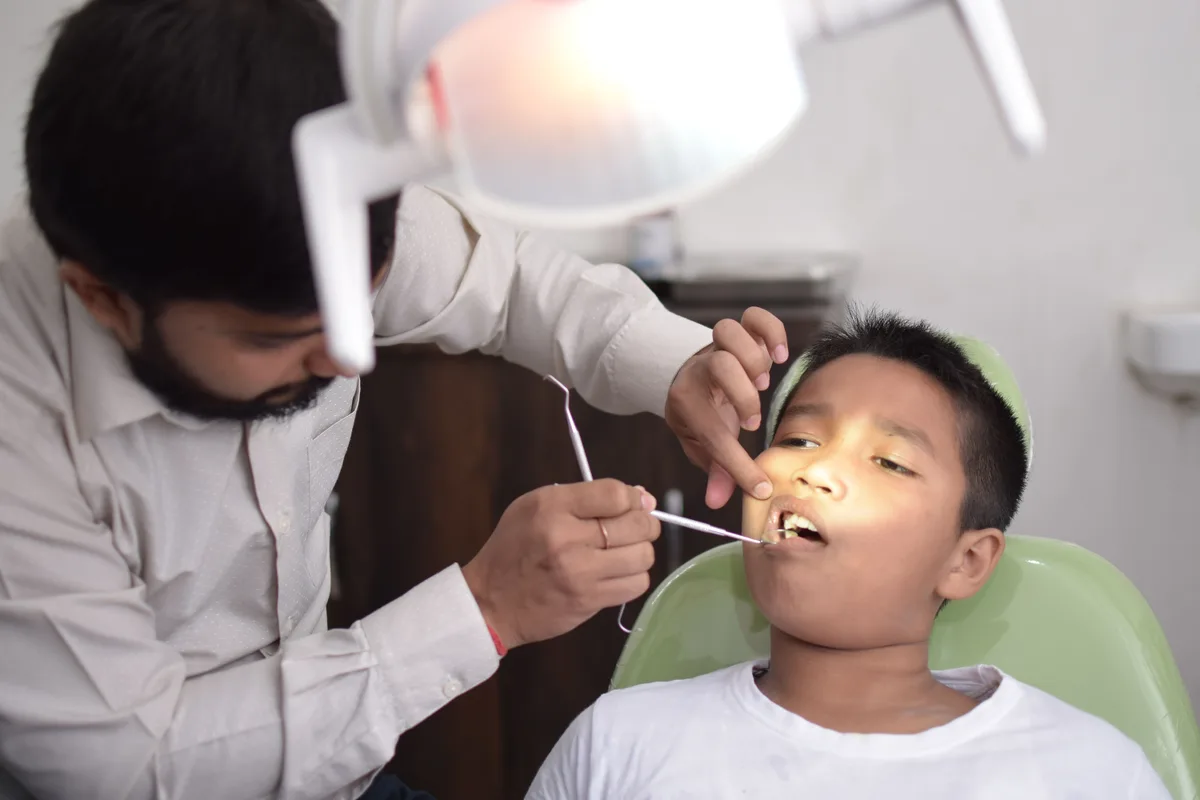
A dental professional can look for dry tissues, cavities, and other oral health concerns. A dental clinic in Sylvan Lake can also discuss prevention and whether a referral to another provider may be appropriate.
How do dental sealants help?
Sealants are thin protective coatings placed on the grooves of selected back teeth, where food and plaque can collect. They can lower the risk of decay on those chewing surfaces, but they do not cover every tooth or replace daily brushing, fluoride, healthy food and drink choices, or dental visits.
Your child’s dentist can check whether the molars are suitable for sealants and when they should be reviewed. A sealant is one part of a prevention plan, not a treatment for mouth breathing.
What can families do to lower cavity risk?
Use an age-appropriate fluoride toothpaste and help your child brush twice a day. Clean between teeth when appropriate, follow professional advice about fluoride, and keep sugary foods and drinks from becoming frequent snacks. Water is a good drink between meals.
Regular dental visits help identify changes early and tailor advice to your child’s needs. If cavities keep returning, ask the dental team to review brushing technique, diet, fluoride exposure, dry-mouth symptoms, and any other factors that may be relevant.
Frequently asked questions
Does mouth breathing always cause cavities?
No. Mouth breathing may contribute to dry mouth for some children, but cavities have multiple possible risk factors. A dental assessment can help identify what may be contributing in your child’s case.
Can my child grow out of mouth breathing?
It depends on the cause. Share persistent mouth breathing or sleep concerns with your child’s paediatrician or dentist so they can advise whether further assessment is needed.
Are dental sealants enough to prevent cavities?
No single measure prevents every cavity. Sealants protect selected chewing surfaces and work best as part of a broader prevention plan, including fluoride, daily cleaning, and regular dental care.
Should I remind my child to breathe through their nose?
Ask a healthcare professional for guidance if mouth breathing is frequent or occurs during sleep. A reminder cannot address an underlying nasal or airway concern.
