
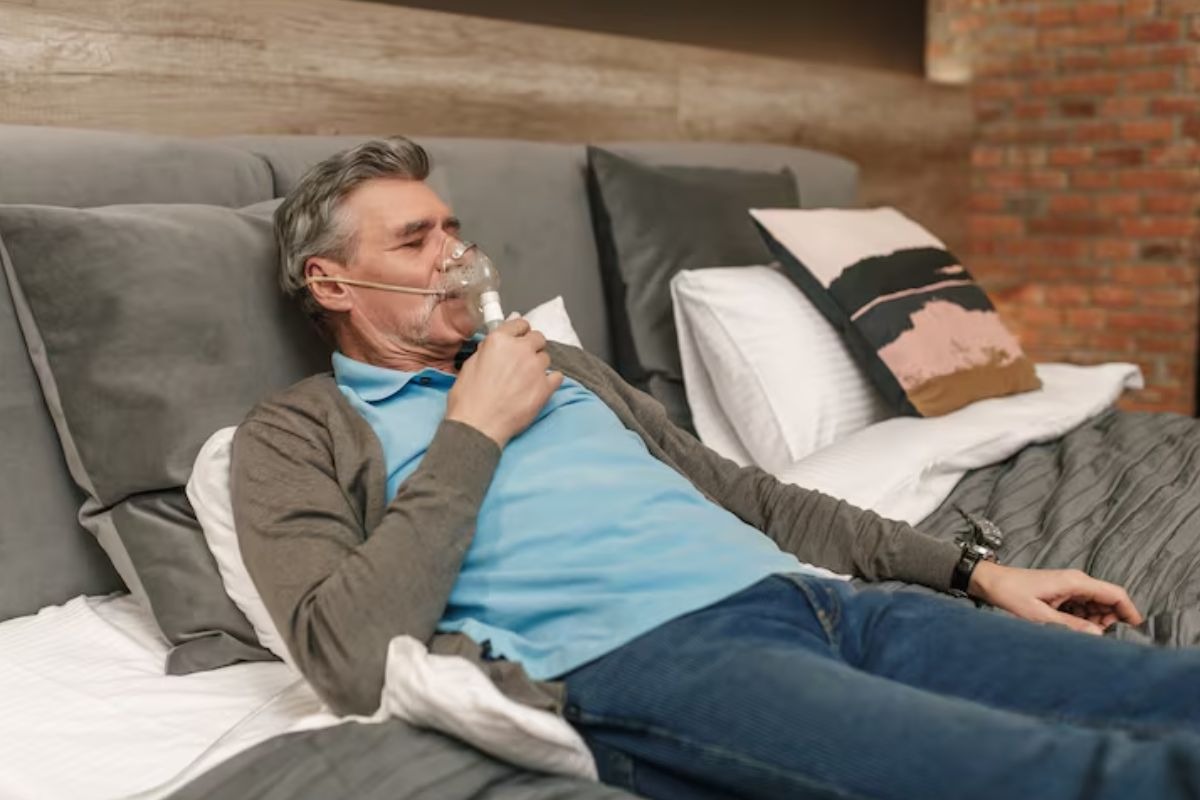
Sleep apnea causes breathing to stop and start repeatedly during sleep. Non-surgical treatment may help keep the airway open, but the right option depends on the type and severity of the condition. When comparing Vivos vs. CPAP, the main difference is that CPAP uses steady air pressure to keep the airway open. At the same time, the Vivos System is designed to use dental appliances over time to address airway structure and support breathing.
Sleep Apnea Treatment starts with identifying the cause of breathing interruptions. A sleep test and medical assessment are important before choosing treatment. Although both options aim to improve breathing during sleep, they do not work in the same way, and Vivos should not be assumed to be a replacement for CPAP for every patient.
What Is the Difference Between Vivos and CPAP?
CPAP keeps the airway open by sending a steady flow of pressurised air through a mask. The Vivos System uses custom dental appliances as part of a longer treatment plan intended to address the shape and space of the upper airway.
The main differences include:
- CPAP: Uses a machine, tube, and mask to send air into the airway and help keep it open while you sleep.
- Vivos: Uses special dental devices worn in the mouth as part of a treatment plan. The goal is to help change the shape of the upper airway over time.
- Daily use: CPAP is generally worn during sleep. Vivos appliances may be worn for set periods, depending on the treatment plan.
- Treatment time: CPAP can work while it is being used. Vivos treatment may take many months and requires regular monitoring.
Neither option is suitable for everyone. A sleep specialist should help determine which treatment is appropriate.
How Does the Vivos System Work?
The Vivos System uses custom-made dental appliances as part of a treatment plan that may last around 12 to 24 months. The aim is to address jaw and airway development in people with specific structural features associated with obstructive sleep apnea.
The process may involve:
- Initial assessment: A dental evaluation helps check the teeth, jaw, bite, and other features related to the airway.
- Custom appliance: An appliance is made to fit the mouth and is worn according to the treatment instructions.
- Gradual changes: The treatment plan aims to encourage changes in the structures around the upper airway over time.
- Regular reviews: Follow-up visits help check comfort, fit, and progress.
This type of non-surgical sleep apnea treatment is not suitable for every person. It is mainly intended for selected cases of obstructive sleep apnea, and its results should be checked through appropriate sleep testing.
How Does CPAP Keep the Airway Open?
CPAP stands for continuous positive airway pressure. It uses a machine to send a steady flow of air through a mask worn over the nose or nose and mouth. The air pressure helps stop the throat from closing during sleep.
A typical CPAP setup includes:
- A machine that creates the air pressure.
- A mask that fits over the nose, mouth, or both.
- A tube that carries air from the machine to the mask.
CPAP can be highly effective when used as prescribed. Some people find the mask uncomfortable or have trouble getting used to the airflow. Mask adjustments, humidity settings, and support from a sleep care provider may help with these issues. Do not stop prescribed CPAP treatment without discussing another plan with the treating provider.
Can an Oral Appliance Replace CPAP?
A custom oral appliance may be an option for some adults with obstructive sleep apnea, particularly those who cannot tolerate CPAP or prefer another treatment. However, the appliance must be selected and monitored by qualified professionals.
A common oral appliance for sleep apnea gently moves the lower jaw forward. This creates more space behind the tongue and may help keep the airway open during sleep. The Vivos System is different because it focuses on changing the shape of the airway over time.
Oral appliances may be considered for mild to moderate obstructive sleep apnea and for some people who have difficulty using CPAP. A sleep physician should help decide whether this option is suitable. Follow-up sleep testing is also important to check whether the treatment is working.
Who May Be Suitable for Vivos or CPAP?
The right option depends on the sleep test results, airway features, overall health, and ability to follow the treatment plan.
A dentist in Sylvan Lake can assess oral and jaw features and work with a sleep physician as part of coordinated care. The clinic describes the Vivos System as one option for selected patients with obstructive sleep apnea.
A treatment assessment may consider:
- Whether the diagnosis is obstructive or central sleep apnea.
- How often breathing pauses occur and how severe they are.
- Whether the airway appears to be affected by jaw or oral structures.
- Whether CPAP has been comfortable and effective.
- Whether the teeth and gums can support a dental appliance.
People with central sleep apnea require a different medical assessment because the condition is related to the brain’s control of breathing rather than to a blocked airway.
What Follow-Up Is Needed After Treatment?
Follow-up helps confirm that treatment is improving breathing, not just reducing snoring or making sleep feel better. A sleep physician may recommend another sleep test after a non-CPAP treatment begins. Dental reviews can also check appliance fit, tooth movement, bite changes, and jaw discomfort.
For more information about Sleep Apnea Treatment in Sylvan Lake, an assessment can help explain the available options and how dental care may fit into the overall treatment plan.
Explore a Treatment Plan for More Restful Nights!
Getting better sleep starts with finding out what is causing your breathing problems. If you snore, wake up often, or have trouble breathing while sleeping, a dental assessment may help you understand your options. Contact Sylvan Lake Dental Centre to discuss your concerns and learn how the Vivos System may help. The dental team can help you understand if this treatment is right for you.
FAQs:
Is Vivos the same as a regular mouthguard?
No. A regular mouthguard protects your teeth from damage. A Vivos appliance is used as part of a treatment plan to help with breathing and airway problems.
Does Vivos work immediately?
No. The treatment plan may take many months, and results vary. Follow-up assessments are needed to check whether breathing has improved.
Is CPAP better than Vivos for severe sleep apnea?
CPAP is a well-established treatment for moderate to severe obstructive sleep apnea. Vivos should not be treated as a proven replacement for CPAP in every case. The choice needs medical guidance.
Can a dental appliance treat central sleep apnea?
Dental appliances designed to keep the throat open are generally used for obstructive sleep apnea, not central sleep apnea. Central sleep apnea needs assessment and treatment from a medical provider.
